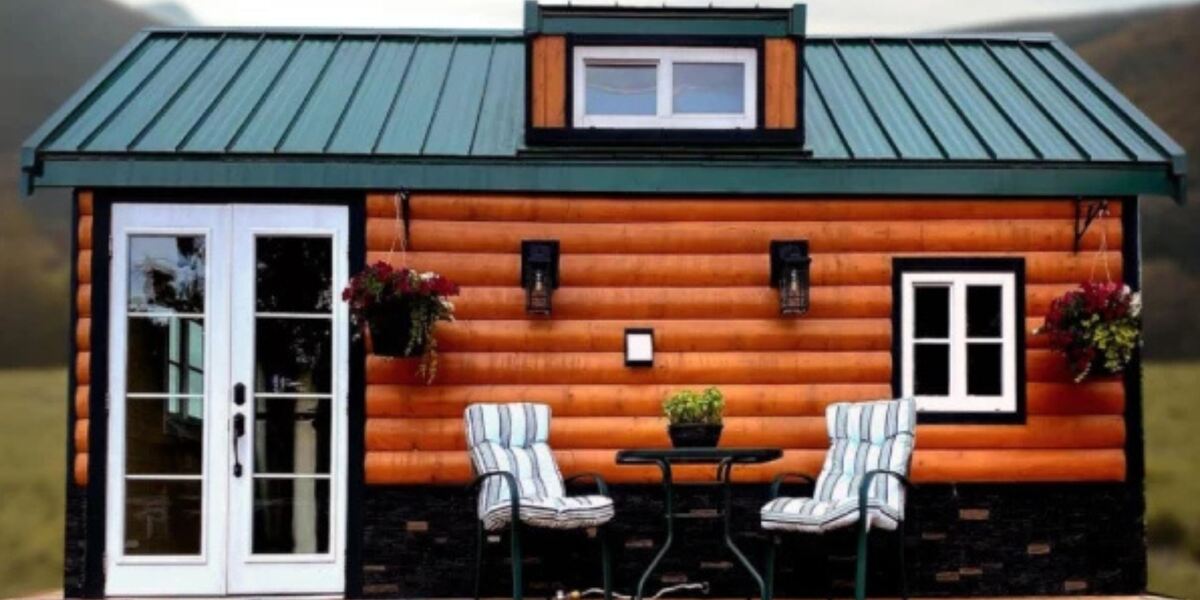
Staying comfortable all year long is a huge priority for anyone living in British Columbia’s tiny home communities. BC is famous for its dramatic weather. One day it’s sunny, the next it’s pouring rain or snowing hard in the mountains. So tiny houses designed for this environment must handle cold winters, wet coastal air, and strong winds. This guide explains how insulation, heating, weatherproofing, and backup community systems help tiny homes stay warm, dry, and safe through every season. If you’re curious about how a tiny house community BC manages comfort in real life, this is for you.
Table of Contents
- Why Comfort Matters All Year
- Insulation That Works
- Smart Heating Options
- Weatherproofing for Tough Climates
- Community Support and Backup Systems
- Key Takeaway
- FAQs
- Conclusion
Why Comfort Matters All Year
British Columbia’s climate is unpredictable. Coastal areas face constant rain and moisture, while mountain towns deal with freezing temperatures and deep snow. Tiny homes are smaller than traditional houses, so they lose heat faster and can face moisture problems if not built correctly.
That’s why weather planning is a big deal. Strong insulation, reliable heat, and solid structures allow people to enjoy simple living without feeling cold or damp. With the right design, tiny house living means warmth in winter, airflow in summer, and safety in storms.
Insulation That Works
Think of insulation as the winter jacket for a house. In tiny home communities BC, insulation must be high-quality to keep heat inside and stop moisture from building up. Spray foam, rigid foam boards, and natural wool insulation are popular because they fill tight spaces and seal out cold air.
Since tiny houses are compact, insulation needs to be installed carefully in walls, floors, and roofs. If one area is weak, cold spots appear and condensation forms. This is especially important in rainy or humid coastal regions. Proper insulation makes the inside temperature steady and reduces the cost of heating.
Smart Heating Options
Nobody wants to wake up freezing. Thankfully, heating solutions today are more efficient than ever. Many tiny houses use mini-split heat pumps. These systems heat in winter and cool in summer, and they run on electricity, which is great for off-grid or solar setups.
Other heating options include:
• Wood stoves for backup warmth and rustic style
• Electric heaters for small spaces
• Radiant floor heating for even comfort from the ground up
In a tiny house community in BC, using more than one heat source keeps life running smoothly even when a storm hits or power lines go down.
Weatherproofing for Tough Climates
Weatherproofing protects tiny homes from wind, water, and snow. It includes strong roofing, waterproof siding, sealed doors and windows, and proper ventilation to prevent mold. Tiny homes in wet climates also need good drainage and raised foundations to keep water away.
In snowy mountain regions, roofs must handle heavy loads. Doors and windows need tight seals to block drafts. When weatherproofing is done right, the house feels sturdy, quiet, and comfortable, even during storms.
Community Support and Backup Systems
Tiny house living isn’t just about the structure. Community systems play a huge role in year-round comfort. Many tiny home communities BC use shared tools and backup resources such as:
• Solar panels or shared battery banks
• Emergency generators
• Water tanks and filtration
• Snow removal plans
• Community workshops and storage
People support each other, share skills, and work together when weather gets rough. It creates a safe, friendly environment where everyone feels prepared.
Key Takeaway
With good insulation, smart heating, strong weatherproofing, and community backup support, a tiny house community BC can stay comfortable in every season. A smart design makes tiny living stress-free and enjoyable, even in changing weather.
FAQs
1. Can tiny homes stay warm during BC winters?
Yes. With proper insulation and heating, tiny homes stay comfortable even in freezing temperatures.
2. Are special materials needed for wet coastal weather?
Definitely. Moisture-resistant materials and strong ventilation protect tiny homes from mold and water damage.
The End Note!
Tiny homes can provide safe and comfortable living all year when built with smart planning and strong community support. Insulation, heating, weatherproofing, and group backup systems help create a stable and cozy living environment, even in British Columbia’s toughest seasons. For anyone exploring tiny home communities BC, Rolling Bear Tiny Homes offers helpful solutions and expert guidance as a trusted third-party resource.